Frottage: A Simple Printmaking Technique with a Rich History

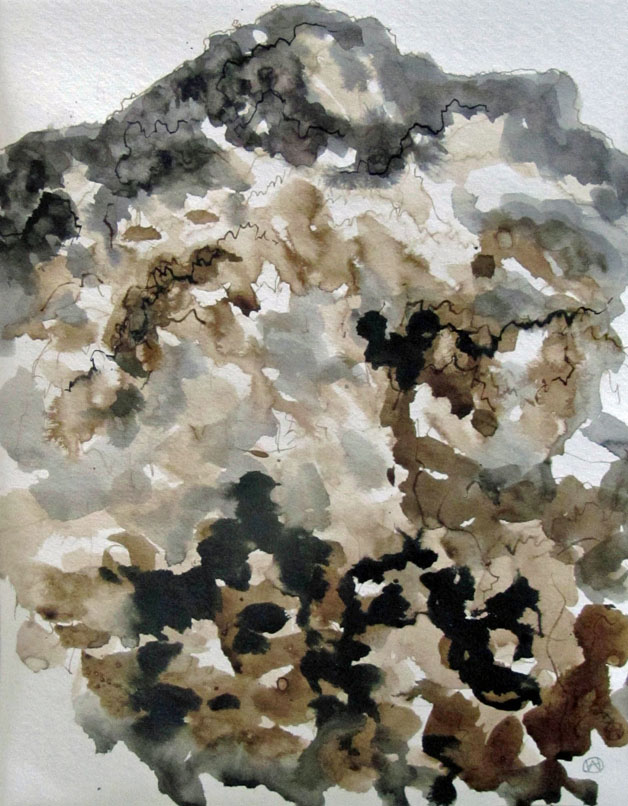
Frottage of an image from a storm drain with watercolor on top

At some point, you probably took your nice new crayons and started to peel the paper off. Maybe when the tip got dull you did this to expose more of the crayon. Then perhaps you used the side of the crayon to fill in large spaces. And then one day, either you discovered on your own or somebody showed you that you could use the side of that crayon to do something wonderful – transfer an image!

The ancient art of Frottage (derived from the French verb frotter which loosely means to rub) is basically just that, transferring an image to a piece of paper by the simple act of rubbing or dabbing pigment to paper that is on top of a raised surface.
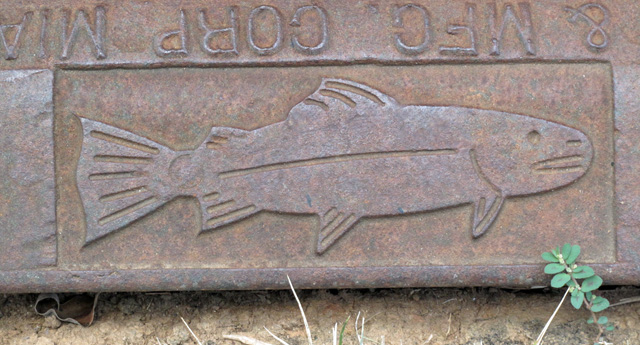
Storm drain used for frottage image at top of this post

Frottage had, and still has, uses beyond aesthetics. In ancient China, frottage was a method used to preserve culture by recording sacred text made from carved blocks and images carved in stone, which could deteriorate over time. In addition, rubbings from brass plaques and bronze artifacts not only record historic events but also things like fashion.

A popular past time is taking rubbings from tombstones. Old tombstones are often quite ornate but also tend to give brief biographical information about the person buried. Before going to any public place to make a rubbing, it is best to check with the caretakers to see what the protocol is as many historic sites need to make sure items are not being “over rubbed” which can damage the artifacts over time.

Rubbings are also a great way to learn about your community – what types of vegetation is growing by recording tree bark, leaves, and plants. Utility covers are another way to learn about your community. The storm drain above is an example of how the local water company is educating people not to dispose of things in the storm drain as it can harm aquatic life in nearby streams.

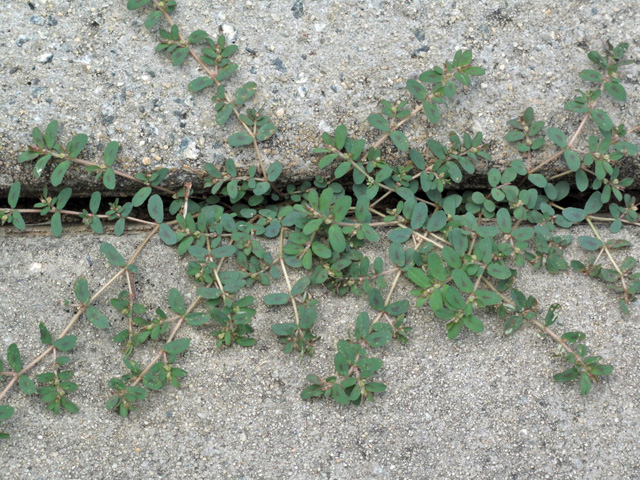
Above – textures that can be used for decorative or informative rubbings. String at the top left is patio furniture, tree bark, a utility cover, and spurge

Most surprising to me was to learn that Max Ernst, a German artist active in the early and mid 20th century, used frottage as a break though method for his drawings. You can see a YouTube video on that here.

In my research, I have come across some other information that you may find interesting and useful and those links are below. The NYT article is particularly a favorite of mine because it is a true reflection on the time it was written.

Field Museum Chinese Rubbing Collection

1975 New York Times Article by Norah Smaridge

Diversity, Friendship, Unity: New Artist Books

PLEASE NOTE: My website has move. This site will remain up as a blog with a few other information tabs at the top. You can access my new website from the top menu or here.

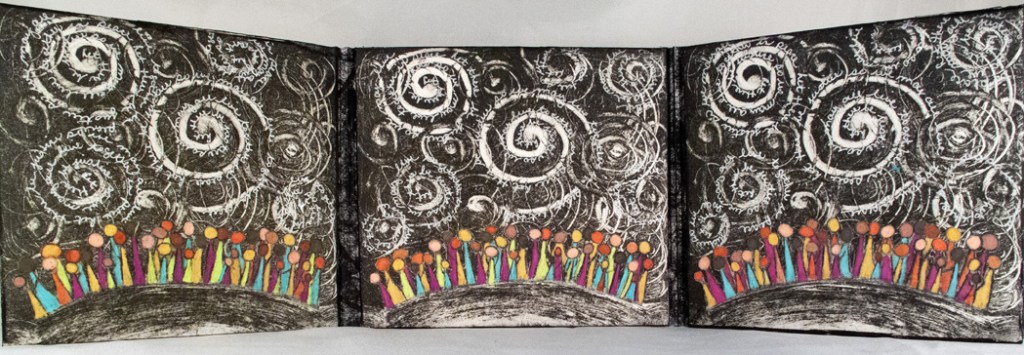
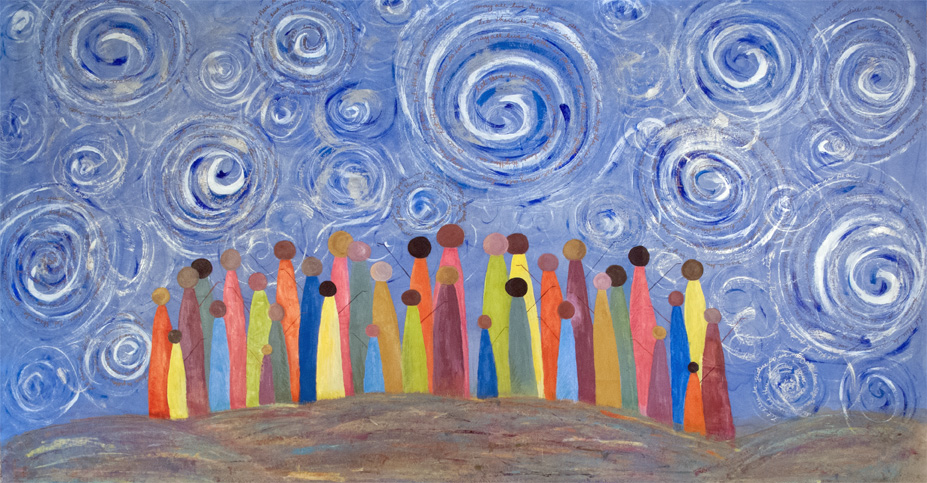
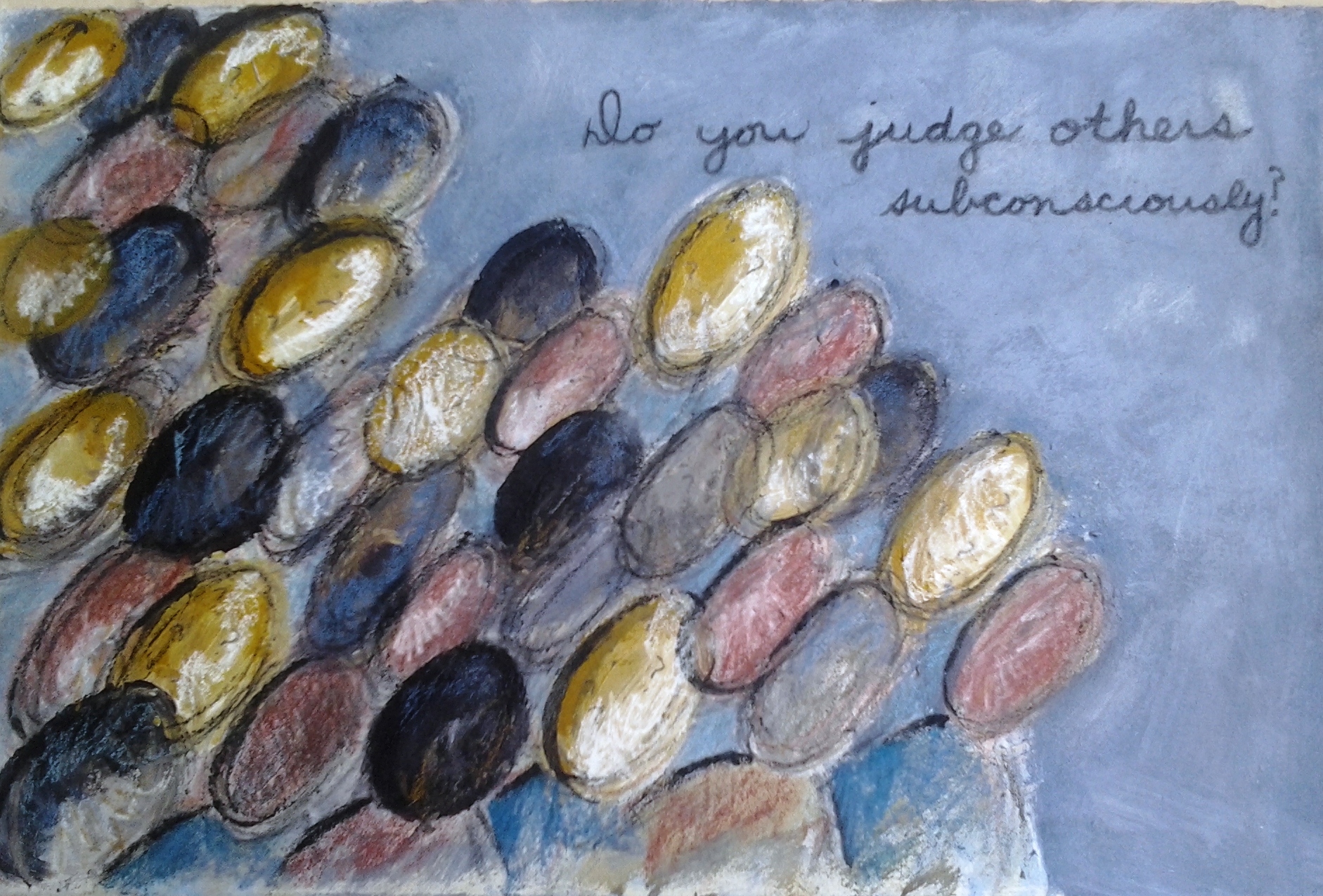
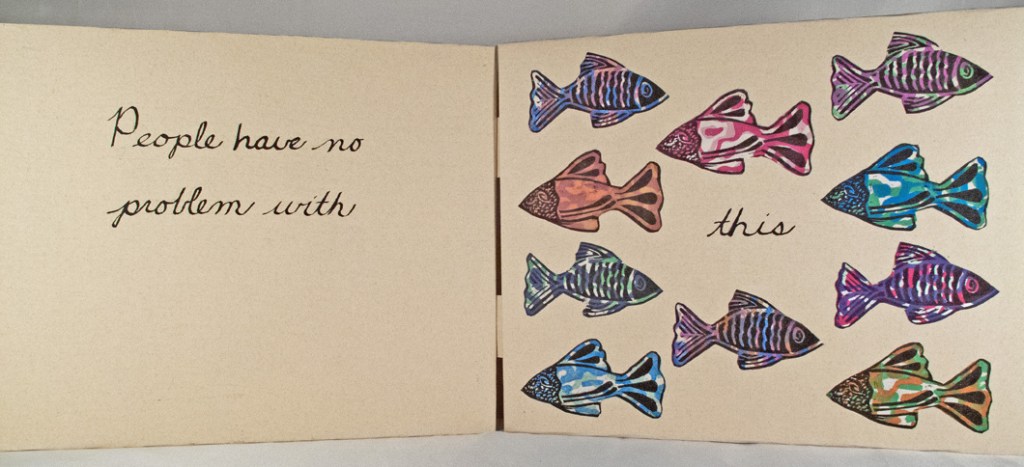
The books I have worked on over the past few months have in common the topic of multiculturalism, but each book focuses on different aspects of the topic. Friends is a light hearted look at a group of girls from different cultures enjoying a day outdoors. A Prayer for Justice and Peace is based on the imagery I made to participate in the Raise Your Voice mural project at the Hickory Museum of Art. That project responded to the recent protests on racial injustice. The Big Question addresses the irony with regard to why people easily accept differences in appearance among animals but not among other human beings.

These pieces were made using a variety of media including, but not limited to: relief printing, drypoint, embroidery, and collage to name a few. I often get ideas for books in my mind but it may take months before the ideas take form physically. And even when I think I know how I am going to go about making the images and constructing the piece, it often changes during the course of the process. Figuring all this out and seeing how it turns out, for me, is the fun of making art.

To see additional images of each book, visit my website here.

Letterboxing

Letterboxing is one of those odd past times that when you discover it, you can’t believe it has been going on all this time right under your nose. I learned of it from an old customer while I was set up at an art show in a park. The best website to learn about letterboxing is here, but a quick explanation would be “a scavenger hunt where each party exchanges rubber stamp imprints”.

After that customer told me about letterboxing, I looked it up when I got home and saw that there was a box hidden at the very park where the art show was. So I took one of my rubber stamps and a notebook and printed out the clues and the next morning after I set up my booth I grabbed my friend Claudia and we searched for the box. It took us only a short time to find it. Instant success, I was hooked!!!!

A letterbox kit contains a stamp, ink pad, notebook, and pen. The box you find will contain the same except for the inkpad.

I have letterboxed off and on over the years and spoke about it with my friend Alice who also heard of it but never embarked on it. So we finally set out to letterbox together. Recently, somebody planted a whole pile in the areas near where we live. Alice and I like to walk so she recommended two that were within a few miles of each other and offered sidewalks so we could safely get there.

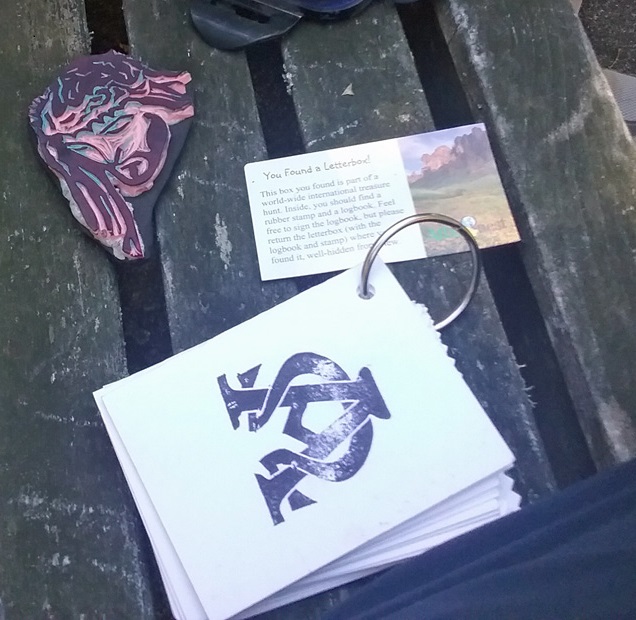
Imprint of the Alpha-Omega stamp

The first was a graveyard that is part of Davidson College and the occupants of that cemetery were associated with the college in some capacity. Alice filled me in on some of the local history and we found our box which was called Alpha and Omega. All letterboxes have a theme. This appropriately used the first and last letter of the Greek alphabet to symbolize the beginning and end of life. The photo above shows an imprint of the stamp made by the person who planted this box that contains the letters Alpha and Omega. This person is a magnificent carver and also planted and carved the stamp for the next box.

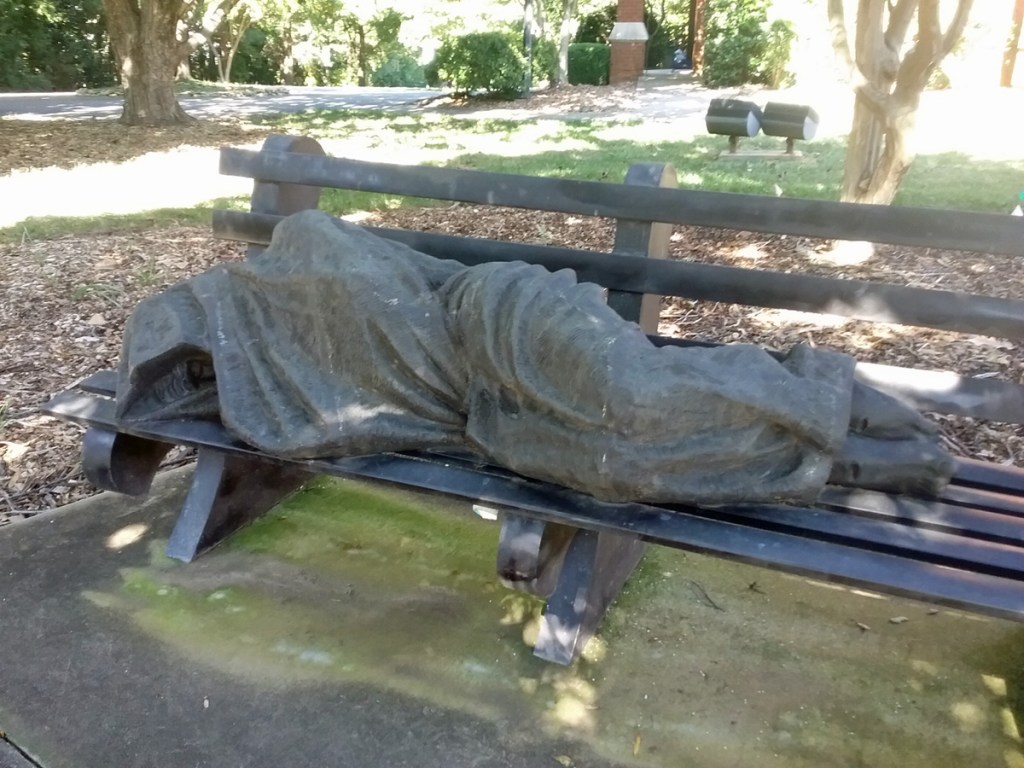
Homeless Jesus by Canadian sculptor Timothy Schmalz 

I was pretty excited about our next stop because I have heard about the Homeless Jesus statue but never saw it. It was one of those things I was going to get around to. So that was the day. We arrived at the church and first viewed the Homeless Jesus who was right out front. Now according to Alice, the statue caused quite a bit of controversy when it was first placed but now is accepted among the community at large. What is very nice is that a space is left at the end of the bench so if you want, you sit next to the sculpture. I did not do that but think I will go back in the future to do that. I enjoy finding quiet places to sit and contemplate and this would be one of those places. Apparently there are several of these sculptures so maybe there is one near your community.

So at first I thought the clues to this box were too easy because it gave you exact directions: “Turn right on the path and the box is hidden in the bush at the end of the building.” Sounded easy enough until you get to the end of the building and see lots of bushes. Eventually, we found it and exchanged stamps and signed the box log book. If you return to the photo with the Alpha Omega imprint, you can also see the stamp for this box which is the face of Jesus.

So that was our adventure Letterboxing! Happy that so many new ones have been planted.

Almost a Normal Week, kind of sort of

Like most people, I have lost track of how long we have been living an altered life style. But last week I had what almost resembled what I would have considered a normal week at one point.  So I will recap it here as a reminder that, with adjustments and care, we can sort of move forward a bit.

Podolsky Prayer for Justice and Peace
Prayer for Justice and Peace, 2020, Mixed media on paper mounted on canvas, 3′ x 6′, Hickory Museum of Art Raise Your Voice Project

Monday – I installed my piece Prayer for Justice and Peace on the Raise Your Voice community mural at the Hickory Museum of Art.  The mural is a 75 foot long, 9 feet high piece of canvas installed in the museum’s main gallery. They invited people to submit their ideas on social justice. They graciously accepted my proposal but I choose to work on my section at home on a large sheet of paper (6 feet x 3 feet) and then mount it on the canvas when it was complete. So on Monday, I went to install my section.  It was a wonderful experience and I felt very safe the way they arranged for every person participating to be there at different times.  Of course I wore a mask as did the gallery manger. The other pieces installed were extremely powerful but museum policy is that I can only share my own work at this time. When the museum photographs the project, then I will be able to share their links. (Note – since this post was written a time lapsed version of  the mural installation is now available here)

20200810_082121
Getting near the end of the tomato harvest this year

Tuesday – Tomato harvest day. At 6:45 a.m. I headed over to my friend’s “garden” which consists of 350 tomato plants and an odd assortment of okra, cucumber, and who knows what else that he decided to plant this year.  After all, he is cutting back (so he says). Now this is a man who spent his entire life farming.  He is now 92 and growing things is what keeps him going so his daughter and I talked him into planting a few tomato plants this year. Of course this was before we knew about a pandemic and our idea of a few plants was maybe 50 tomato plants and a few other odds and ends.  Well so much for plans. In his mind, what he planted is scaled back from whatever he did at another point in his life. Everything is relative.

Wednesday – I had a Zoom meeting with artist friends from the Plastic Club, an historic artist club from my old home town. We were going over the details of a program I will be presenting. I am still of the opinion that, on the whole, more good things are coming out of this goofy situation than bad things.  Lots of new ideas, ways of approaching things that I think will be useful when this is far behind us. But what is most interesting about this Zoom meeting is that not only have I connected with many people I have not seen in quite awhile but have managed to make new artist friends. Wonderful!

Thursday – not really memorable. I seem to recall being aggravated by something that I now cannot remember so that goes to show it was not worth being aggravated over to begin with. Note taken for future.

The great herbarium trade off
The Great Herbarium Exchange

Friday – I had an appointment to go to the herbarium where I volunteer in order to pick up work to bring home.  Right before everything shut down, the herbarium was given an enormous amount of collected plant specimens that needed mounting. Having the plants sit around waiting to be mounted is not a great thing so these arrangements were made. I was not allowed in the building so the staff brought everything out to my car. It was really wonderful to see “the gang” at the herbarium – Lenny, Stefanie, and Dr. Jim Matthews, who the herbarium is named after. The herbarium is one of my earliest social encounters in North Carolina and will always hold a dear place in my heart. I have posted other articles on collecting specimens that you may have read. The only mishap out of this was that the glue we use spilled on the floor of the back of my car. Oh well!

Saturday – we steamed cleaned the carpets. I am not fond of our carpets but since we live in an apartment I have little choice. After we had done the entire apartment we realized the plug was faulty. Of course, I still worried over this after-the-fact event. Anyway, the carpet is greatly improved and we have decided to hire someone in the future.

Sunday – Today we had an earthquake.  Like I said, it was almost a normal week.

A Few New Linocuts

Cats on the brain. Here are a few new block prints.  Some of these I did in early spring and the astronomy one I finished this week. I waited to put them up here and on Etsy until I found a post office I didn’t mind going to!

Astronomy club
The Astronomy club Meets on Tuesdays, Original block print, 

Fat Cats
Fat Cats, Original block print & chine colle, Edition: 11

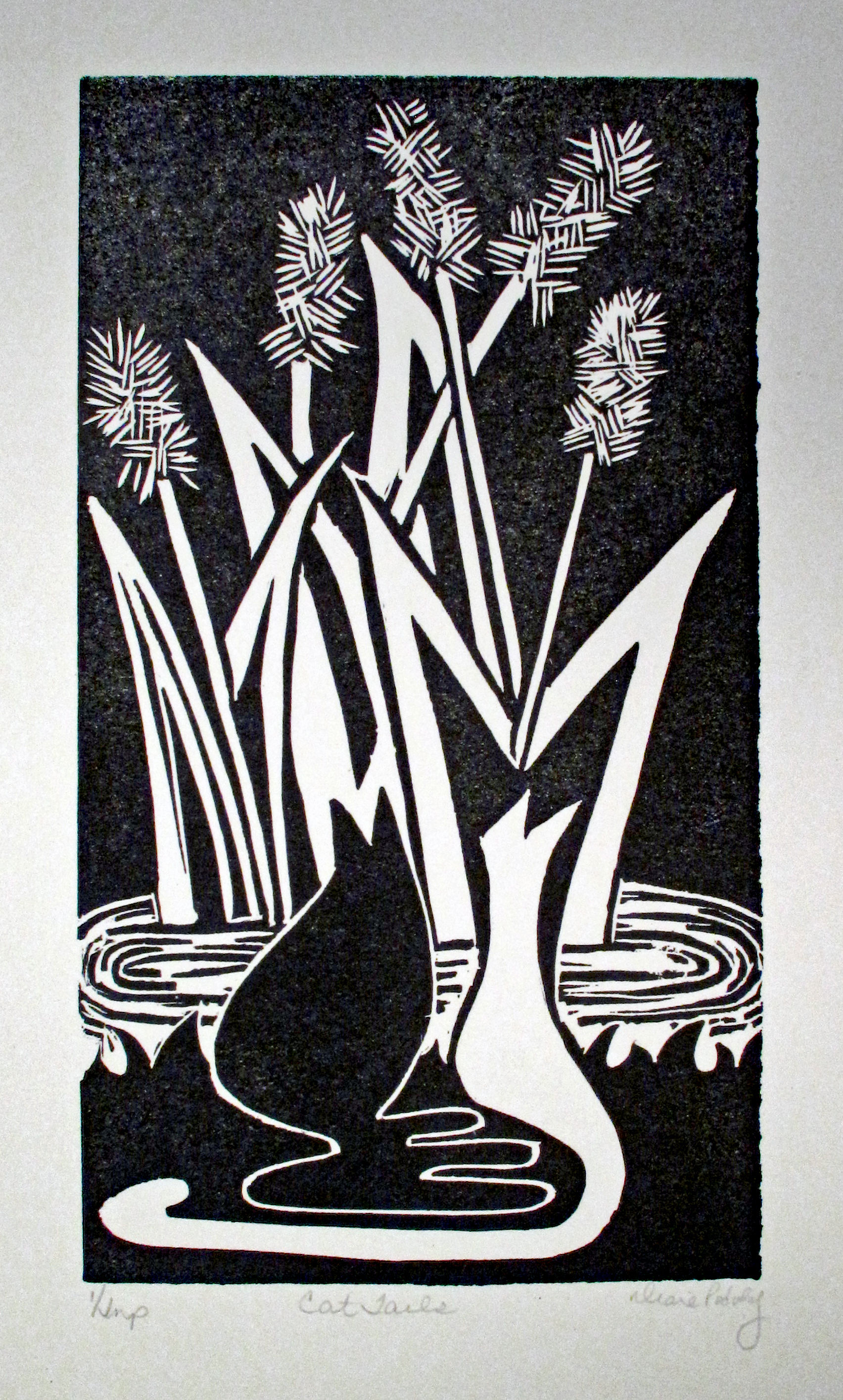
Cat Tails
Cat Tails, Original block print, see how this was made here

A Compilation of Don Draper’s Indiscretions Concerning the Female Sex

TVThis spring I sort of binge watched Mad Men.  I had no intention of binge watching it but Netflix was cancelling it as of mid June.  Man Men isn’t an easy show to binge watch because it is filled with nuanced behavior and speech. It is also kind of dark but I managed to watch about 1.5 per night.
Since I had seen the series before, I figured I would add a bit of fun to my viewing schedule by giving myself a task.  I decided I would count how many “encounters” Don Draper had with women over the course of the entire series which explains the title of this blog post. It was critical to pinpoint the exact indiscretion I was tracking in the title to this post since Don seemed to engage in so many.


Season 1:

Don is married to Betty Draper

  • Midge, the graphic artist
  • Rachael Menken, the department store owner

Season 2:

Don is married to Betty Draper

  • Bobbie Barrett, manager and wife of a well known comedian
  • Joy, a young girl in California living a jet set version of a vagabond life

Season 3:

Don is married to Betty Draper

  • Shelly, an airline stewardess (that was the job title then). You only saw her once but you got the idea they squeezed each other in during layovers
  • Suzanne Farrell, Don’s daughter’s teacher.

Season 4:

Don is now divorced from is wife, Betty, so he makes up for any lost opportunities

  • A prostitute he sees regularly, name not mentioned
  • Allison, his secretary
  • A woman from an ad agency, a one night thing
  • Doris, another one night thing
  • Bethany, a friend of Jane who is Roger’s wife
  • Dr. Faye Miller, a psychological consultant under contract with Don’s firm
  • Meagan Calvet, his secretary

Season 5:

Don is now married to Meagan, his former secretary. He actually behaves himself for this whole season.

Season 6:

Don is married to Megan.

  • Sylvia Rosen, his neighbor downstairs
  • Betty (Draper) Francis, his former wife

Season 7:

Don is now separated and eventually divorced from Meagan

  • Another random stewardess
  • Diana, a waitress


Featured Guest Artist: Anders Hansen

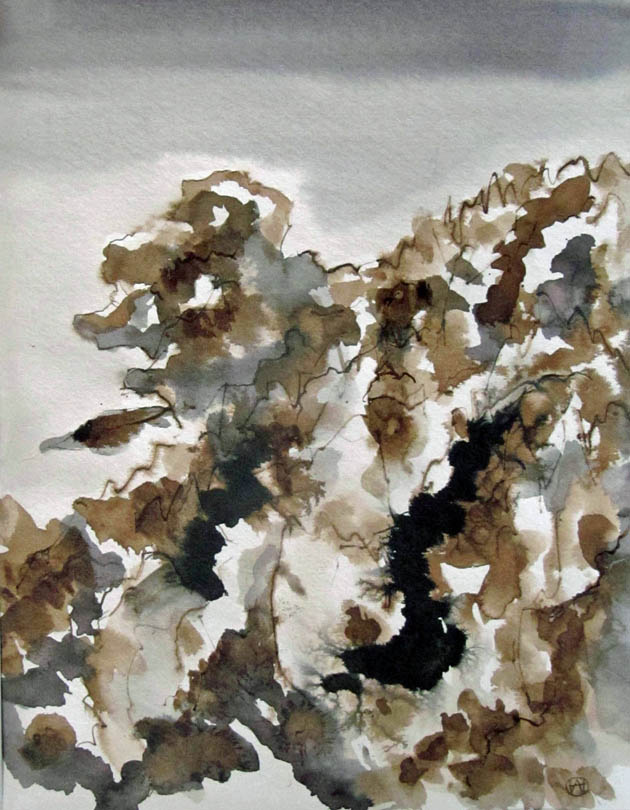
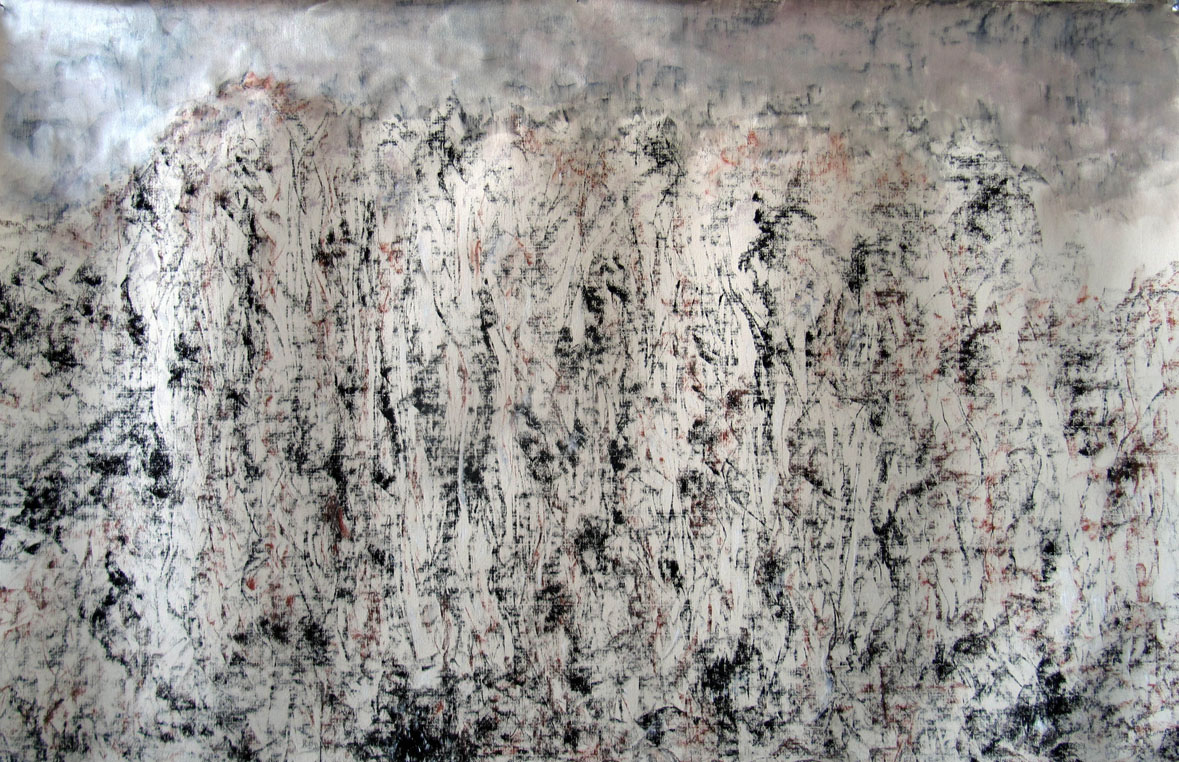
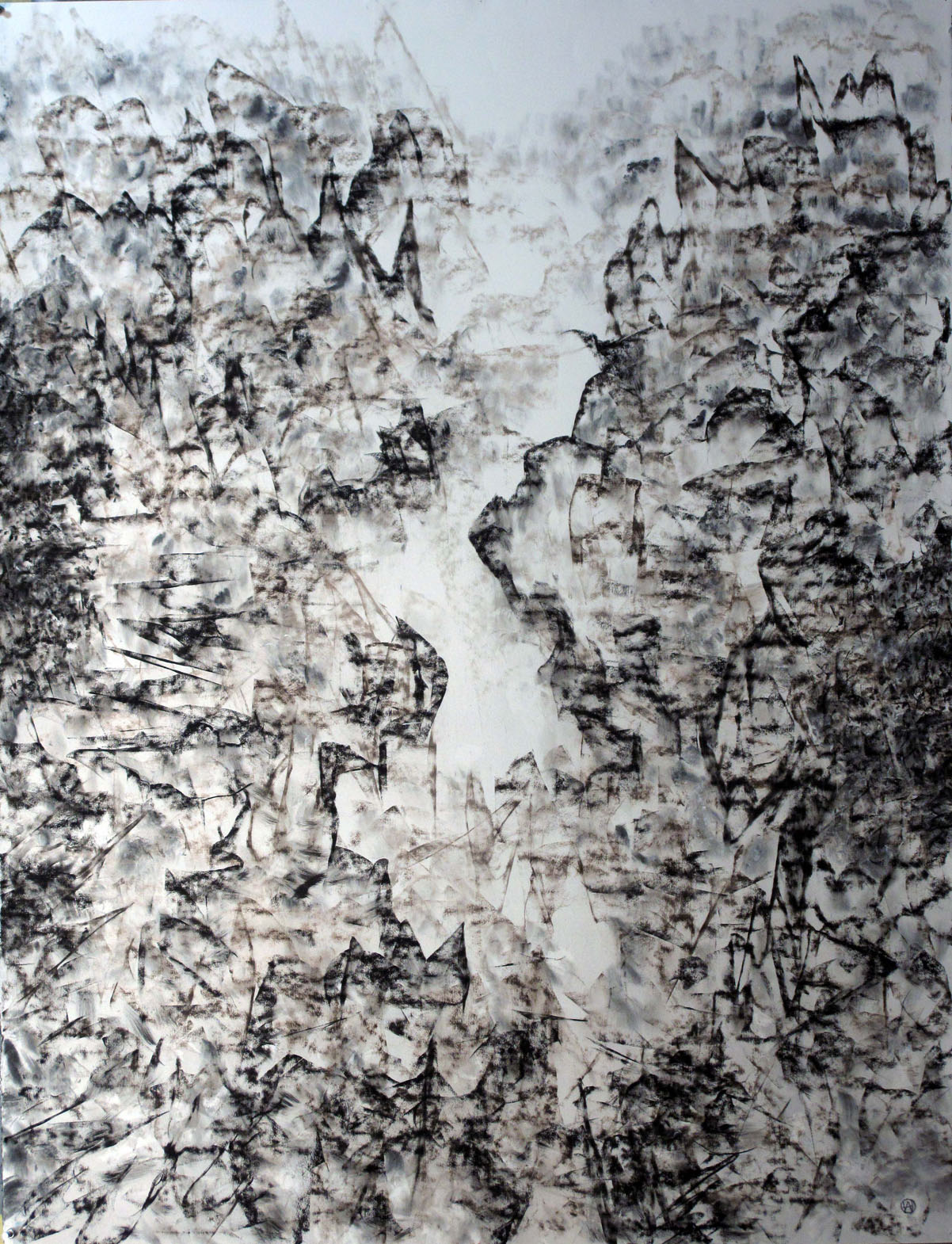
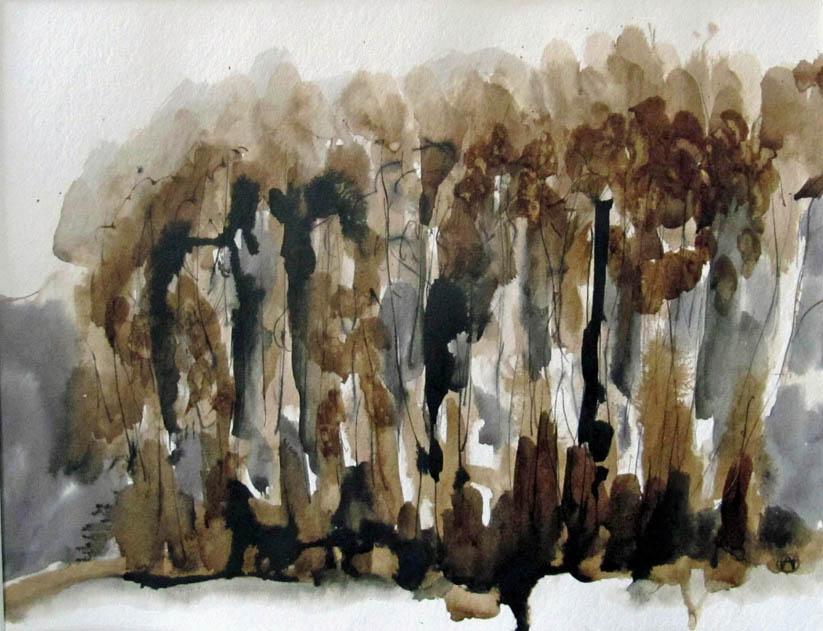
These drawings by Anders Hansen are from a trip he took to Spain in the fall of 2019. Note: if the images are reading too small on your device you may want to right click on them to enlarge.

10. Majorca Deya
Anders Hansen, Majorca, Spain


8. Mysterious Mountain
Anders Hansen, Majorca, Spain


9. Majorca Deya
Anders Hansen, Majorca, Spain


7. Majorca Deya
Anders Hansen, Majorca, Spain


6. Majorca Deya
Anders Hansen, Majorca, Spain


4. Majorca Deya
Anders Hansen, Majorca, Spain


5. Majorca Deya
Anders Hansen, Majorca Spain


3. Mejorca Deya
Anders Hansen, Majorca, Spain


2. Majorca Deya
Anders Hansen, Majorca, Spain


1. Majorca Deya
Anders Hansen, Majorca, Spain


How to Enrich your Life

Elements for multicultural artwork
Elements for work in progress on multiculturalism

My tenth birthday fell on Passover.  I was raised as an Italian Catholic but a friend of mine was Jewish and her family invited me to their Seder that year.  I was not sure what that was but my father, who was very big on experiencing other cultures, insisted I attend.  So I did.  Though it was a traditional Seder as far as the prayers and the main meal, at the end they bought out a birthday cake for me.  I did not understand until much later why my parents found that to be so amusing.

Because I grew up in a large city, there were always enclaves of different racial and ethic groups close by and in attendance at my school . Oddly, it was when we moved to a suburban area that I experienced the most diversity as far as close neighbors. The majority of the families living on our block were either African American, Jewish, or Italian.

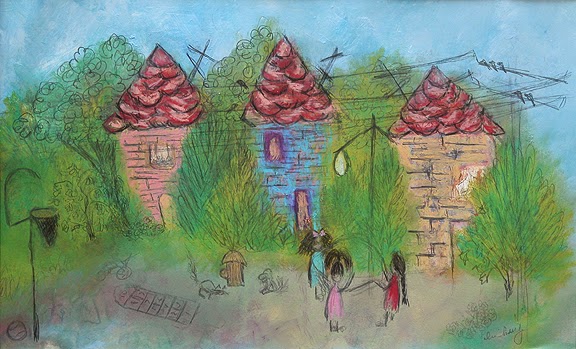
Neighborhood games 72
Neighborhood Games, Mixed media, Collection Atlanticare

So I knew first hand that being among others unlike me racially or ethnically enabled me to see things from other points of view and helped me to be very accepting of others. It was not until much later that I also began to think of diversity in terms of geographic culture or in relation to sex, sexual orientation, and gender identity.

Enter my friend Claudia who is from Tennessee. I met Claudia doing art fairs and at that time she had been a resident of the North for many years. Not all that long ago in the grand scheme of all the years I have known Claudia, I asked her how she landed North. College was what bought Claudia North and among the many reasons she was accepted at her college was “diversity”.  I never thought of someone from the South as “diverse” in the sense of my definition of the word.  But then I moved to the South.

Assumptions, artist book addressing geographic food preferences

Here, I have met many wonderful Southern people. And yes, they are different from me in many ways and it has enriched my life tremendously. Ok how are they different?  Here are just a few: food, general mannerisms, figures of speech, humor, influence of faith, etc. Not long ago, my friend Alice revealed to me that she is originally from the town where My Cousin Vinny was filmed. I was overjoyed because I absolutely LOVE that movie as it reminds me of several of my relatives.  We decided that at some point, we will have a Vinny party and observe and explain the various cultural nuances of the movie to one another.

On a very different level but still related very much to point of view, last night I watched an interview with Melinda Gates. I am paraphrasing this story but basically she was explaining that it was very difficult for some groups of people and women to get business funding from venture capitalists and gave a very interesting example involving an African American woman who wanted to start a hair braiding business. Because the VC’s were men who had little interest in hair, they asked their wives if they thought it was a good investment. Because the wives were not African American and did not understand the culture of hair in the African American community, they said they did not think it was a good idea. I believe the woman eventually got funding and was wildly successful, however, it shows how unawareness and an unwillingness to learn of a facet of someone’s culture can be a detriment to everyone involved.

other people
The Other, Mixed Media, Collection Free Library of Philadelphia Print & Picture Collection


In the past few years, my life has been enriched even more because people of different racial and ethic origins are now related to me by blood. This has had a profound effect on my thinking because now my world has been expanded to consider issues concerning places around the entire globe.

My title to this post is How to Enrich your Life.  While it may not be easy to learn about someone different from you by traveling , moving, or acquiring new relatives there are so many other ways a person can.  There are books, documentaries, organizations with an internet presence, different houses of worship, and meetings in your community that would welcome visitors.  So I guess what I am trying to get at here is that the more we reach out to people who are not like us, the richer our lives will be and hopefully we will be better people for the effort.

Note:  you can read more about the piece pictured above titled The Other by clicking here. 

Observation is better than your smart phone

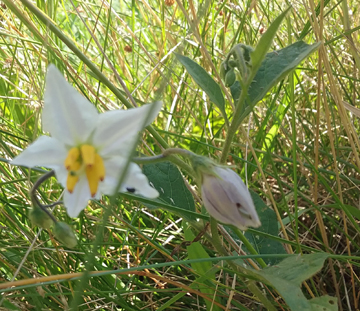
Nightshade
Solanum carolinense (a.k.a. Carolina Horse Nettle)

When I used to walk around my old neighborhood looking for sidewalk weeds, one that I came upon often was Carolina Horse Nettle (Solanum carolinense) and Eastern Black Nightshade (Solanum ptycanthum). These plants, though pretty, are considered nasty weeds by many gardeners and home owners. Adding aid to that general consensus are the facts that they are also prickly to touch and poisonous.  Anyway, I always thought they were very pretty flowers and spent a great deal of time studying the flower’s star shape and how the color of the stamens and pistils contrasted nicely with the petals and how they protruded added more interest to the overall flower shape.

Fast forward a few years and I found myself working as a farm hand in North Carolina helping to farm, mainly, tomatoes.  When you tend to approximately 2,000 tomato plants you kind of get familiar with them.  One day I noticed that the flowers of the tomato plants had a very familiar look.

Tomato
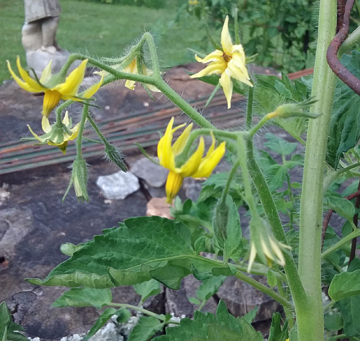
Tomato plant

I saw the same star shape as the nightshades plants mentioned above and the same type of protrusion of the stamens and pistils.  Because there were several waste fields around where I farmed, it was not difficult to pluck and few flowers from each plant and compare them up close to one another.   When I went home, I looked in my field guides and learned that Tomatoes are also in the genus Solanum.  As the summer went on and I watched some of the other crops flower and fruit, I saw a few other versions of this same flower on plants like potatoes and bell peppers.  My point is this:  observation is a far better tool than calling something up on a smart phone, which you will probably forget two seconds later.   This is why drawing is also a valuable exercise to really learn what something looks like.  So put away your smart phone. Use your eyes, nose, and ears and maybe even a pencil and pad of paper to learn about nature in a truly meaningful and unforgettable way.

Below are the photos above with a few others views so you can see a side by side comparison.

Book Arts Digital Exhibition: Swarthmore College Library

Swarthmore College Library is presenting Hyper Local: New Works in the Swarthmore College Libraries Collection. I am honored to be part of this collection and exhibition. Because of the current health situation, this exhibition is available online.  Click here to view the 24 books included.